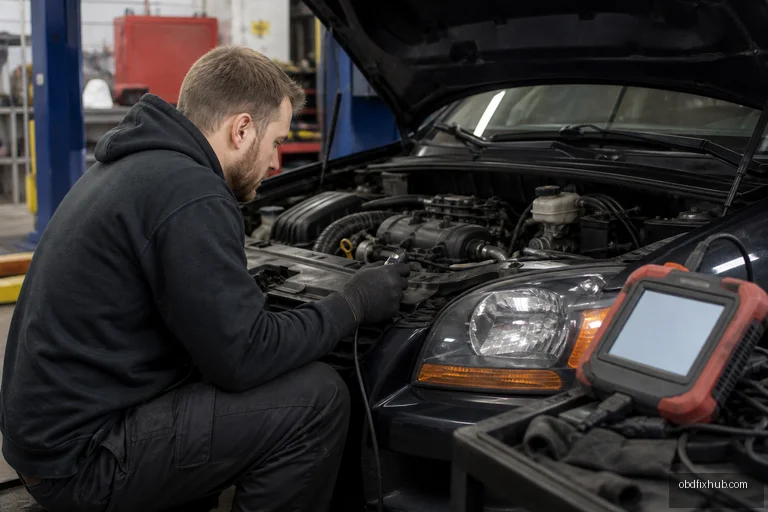
P07FF Cold Start Transmission Performance: Meaning, Causes, Symptoms & Fix
P07FF Cold Start Transmission Performance generally means the transmission control system detected abnormal operation during the initial cold-running period. It does not automatically mean the transmission needs replacement. The fault may be caused by low or incorrect transmission fluid, a weak battery, a temperature sensor problem, sticking solenoids, valve-body wear, or a software issue—and the exact definition can vary by vehicle manufacturer and scan-tool database.
What Does P07FF Mean?
P07FF is a powertrain-related diagnostic trouble code associated with transmission performance during cold start-up. Unlike widely standardized codes such as P0700 or P0711, P07FF is not interpreted identically across every make and model. Some scanners display a descriptive phrase such as “Cold Start Transmission Performance,” while the manufacturer’s service information may provide a more specific definition.
During a cold start, the transmission control module (TCM) compares expected and actual values. These can include transmission fluid temperature, input and output shaft speed, line pressure, shift timing, torque-converter slip, and gear ratio. If those values do not agree within the programmed limits, the TCM may store P07FF.
Common Symptoms of P07FF
The vehicle may behave normally after it warms up, which is one reason this code is often misdiagnosed. A transmission can pass its self-check at operating temperature while still having a significant cold-start problem.
- Delayed engagement when selecting Drive or Reverse in the morning
- Harsh, flaring, or slipping shifts during the first few minutes
- Transmission stuck in one gear or limp-home mode
- Higher-than-normal engine speed during an upshift
- Shuddering or hesitation when leaving a driveway
- Check Engine Light or transmission warning message
- Symptoms that improve as the transmission fluid warms
A useful clue is timing. If the problem happens only after the vehicle sits overnight, cold fluid viscosity, drain-back, battery voltage, and temperature-sensor accuracy deserve priority attention.
Most Likely Causes of P07FF Cold Start Transmission Performance
1. Low, old, or incorrect transmission fluid
Low fluid can allow the pump to draw air during initial operation, producing delayed pressure and poor clutch application. Old fluid may also contain varnish that causes a shift solenoid or valve to move slowly. Using the wrong fluid specification can change clutch friction and hydraulic behavior even when the level looks correct.
Do not judge fluid condition by color alone. Check the level using the manufacturer’s exact procedure, because some transmissions must be checked at a specified temperature with the engine running and the selector in a particular position.
2. Weak battery or poor electrical supply
Cold weather exposes marginal batteries. A low-voltage event during cranking can interrupt TCM initialization or cause solenoids to respond incorrectly. Before condemning a transmission, test battery voltage during cranking, inspect the transmission grounds, and check charging voltage after the engine starts.
3. Faulty transmission temperature sensor
The TCM uses fluid-temperature data to select cold-start pressure, shift timing, and torque-converter strategy. If the sensor reports an unrealistically warm or cold value, the module may apply the wrong control strategy. Compare the scan-tool temperature reading with the actual ambient temperature after the vehicle has been parked overnight; they should be reasonably close.
4. Sticking solenoid or restricted valve body
Deposits, worn valve bores, or a contaminated filter can delay hydraulic pressure during the first shifts. Once the fluid warms and flows more easily, the symptoms may diminish. This pattern often points to a hydraulic control issue rather than a completely failed gear set.
5. Internal wear or fluid drain-back
Worn seals, a leaking check valve, or an internal clutch circuit leak can allow pressure to bleed off while the vehicle is parked. The result is a long delay before Drive or Reverse engages. If engagement takes several seconds every morning and the fluid level is correct, a pressure test is more useful than repeatedly clearing the code.
6. TCM software or calibration problem
Some vehicles receive updated transmission calibration to correct cold shift quality or overly sensitive fault thresholds. Check manufacturer technical service bulletins using the vehicle identification number, transmission type, and software version. An update should be considered only after confirming that the electrical and mechanical basics are sound.
How to Diagnose P07FF Correctly
- Confirm the code. Record every stored, pending, and history code. A basic code reader may show only P07FF and hide useful TCM data.
- Capture freeze-frame information. Note fluid temperature, vehicle speed, engine speed, commanded gear, battery voltage, and whether the code was set during the first start of the day.
- Check for related codes. Temperature-sensor, input-speed, output-speed, solenoid, voltage, and communication codes often identify the real root cause.
- Inspect fluid and wiring. Look for leaks, damaged connectors, corrosion, loose grounds, and fluid contamination. A connector that appears clean can still have spread terminals or water intrusion.
- Test cold-start behavior. The most valuable test is performed after the vehicle has sat long enough to reach ambient temperature. Reproducing the fault hot may produce a false “no problem found” result.
- Measure hydraulic pressure if necessary. A pressure gauge or bidirectional scan-tool test can separate a control problem from pump, valve-body, or internal clutch wear.
One practical diagnostic rule is to avoid clearing the code before saving freeze-frame data. Clearing it erases the exact operating conditions that may explain why the fault occurred.
How to Fix P07FF
The correct repair depends on the test results. Possible repairs include correcting the fluid level, repairing a leak, replacing contaminated fluid and the filter where serviceable, repairing a ground or connector, replacing a faulty temperature sensor, servicing a sticking solenoid or valve body, updating TCM software, or repairing internal hydraulic or clutch damage.
A fluid service is not a guaranteed cure. If the transmission is slipping, severely delayed, or producing metal debris, a flush can make diagnosis harder and may not restore damaged components. Follow the manufacturer’s service procedure and use only the specified fluid.
After repair, clear the code with a scan tool capable of accessing the TCM, perform any required transmission adaptive reset, and complete the correct relearn drive cycle. The vehicle should then be left overnight and tested from a genuinely cold start. A successful warm test alone does not confirm the repair.
Can You Drive With P07FF?
Short, gentle driving may be possible if shifts are normal and the warning light is steady. Avoid towing, hard acceleration, and long trips if the transmission slips, bangs into gear, refuses Reverse, or enters limp mode. Continued driving with low fluid or clutch slip can turn a relatively small control problem into expensive internal damage.
If the vehicle will not engage a gear, the fluid is leaking heavily, or the transmission temperature warning is on, stop driving and arrange a professional inspection.
Final Takeaway
P07FF points to a cold-start transmission performance problem, but the code alone cannot identify the failed part. Start with the manufacturer-specific code definition, freeze-frame data, cold fluid-level inspection, battery testing, and temperature-sensor plausibility. Diagnosing the vehicle while it is truly cold is the fastest way to avoid unnecessary parts and determine whether the issue is electrical, hydraulic, software-related, or internal.
Frequently Asked Questions
Is P07FF a serious transmission code?
It can be, especially if the vehicle slips, delays engagement, or enters limp mode. However, P07FF can also result from low voltage, a sensor reading, or incorrect fluid level, so the code should be diagnosed before assuming major transmission failure.
Can low transmission fluid cause P07FF?
Yes. Low fluid can delay hydraulic pressure during cold operation and cause abnormal shift timing or gear-ratio errors. Check for leaks and follow the exact manufacturer procedure when checking the level.
Will changing the transmission fluid fix P07FF?
It may help if the fluid is degraded, contaminated, or incorrectly filled, but it will not repair worn clutch packs, a damaged pump, or a failed sensor. Fluid service should follow the vehicle’s specified procedure.
Why does the transmission work normally after warming up?
Warm fluid flows more easily, seals may expand, and sticking valves may move more freely. This symptom is common with marginal fluid level, valve-body wear, sensor errors, and internal pressure leakage.
Can I clear P07FF myself?
You can clear it with a suitable OBD scanner, but clearing the code does not repair the cause. Save the freeze-frame data first, because it can be lost when the code is erased.




