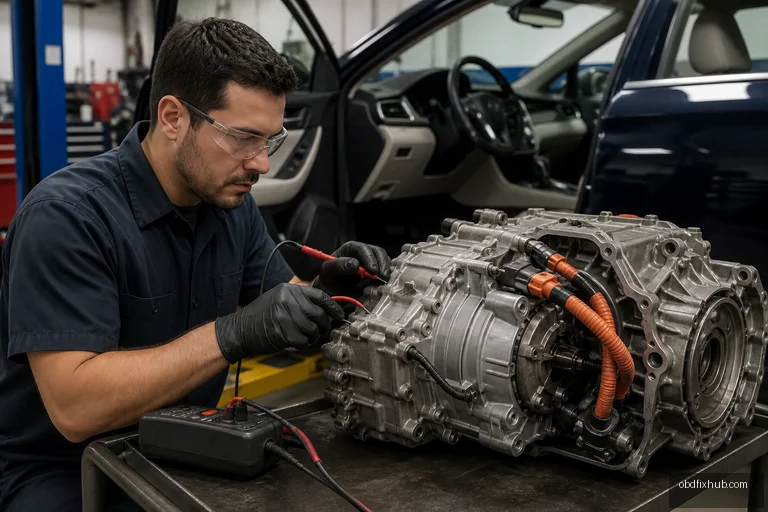
P0A92 hybrid generator performance means the hybrid control system has detected that the generator motor is not producing the expected speed, torque, or electrical output. In many hybrid vehicles, this generator is the motor-generator commonly identified as MG1, but the exact component and test criteria vary by manufacturer. The code does not automatically mean the high-voltage battery is dead; an inverter fault, wiring problem, position sensor issue, or mechanical transmission problem can create the same result.
Search intent: This is a diagnostic question, not a parts-buying decision. The safest approach is to confirm the code with manufacturer-specific data before replacing an expensive hybrid battery, inverter, or transaxle.
What Does P0A92 Hybrid Generator Performance Mean?
A hybrid generator is part of the motor-generator system inside the hybrid transaxle. During driving, it can generate electricity to recharge the high-voltage battery, control engine speed, and help manage the relationship between the gasoline engine and the electric motors. During starting, it may also spin the engine instead of using a conventional starter motor.
The powertrain control module compares expected generator behavior with actual feedback. It may monitor generator speed, phase current, torque response, resolver position, inverter temperature, and high-voltage circuit performance. If the measured response is outside the permitted range, the vehicle stores P0A92 and may disable some hybrid functions as a protective measure.
Common Symptoms of P0A92
Some drivers notice only a warning light, while others experience a major change in how the vehicle starts and accelerates. Symptoms depend on whether the fault is intermittent, electrical, mechanical, or caused by a weak battery.
- Check Engine, Hybrid System, or master warning light
- Reduced acceleration or limited-power mode
- Gasoline engine starting roughly or failing to start normally
- Unusual whining, grinding, or bearing noise from the transaxle
- Rapid changes in the battery state-of-charge display
- Reduced regenerative braking or a different brake-pedal feel
- Engine running more often than usual
- Intermittent no-start conditions, especially when hot
A vehicle that suddenly loses propulsion, displays a red hybrid warning, or produces high-voltage system warnings should not be driven farther than necessary. Move it to a safe location and arrange professional hybrid diagnosis.
What Causes P0A92?
1. Inverter or motor-generator control fault
The inverter converts battery DC power into the controlled three-phase AC current used by the motor-generators. Failed power modules, internal current-sensor errors, overheating, or unstable gate-driver operation can prevent MG1 from responding correctly. Some models have known inverter failure patterns, so technical service bulletins and manufacturer scan data are important.
2. Resolver or position-sensor problem
The inverter must know the exact rotor position before it can control the generator. A defective resolver, damaged connector, poor terminal tension, or contaminated wiring can produce incorrect position feedback. This is a useful distinction: the generator itself may be mechanically healthy even though the control system believes its speed or position is wrong.
3. High-voltage cable, connector, or ground damage
Corrosion, water intrusion, rodent damage, loose terminals, and insulation deterioration can interrupt the generator circuit. A visual inspection should include the inverter connectors, transaxle wiring, shielded high-voltage cables, and relevant low-voltage grounds. Never disconnect orange high-voltage connectors without following the vehicle’s required shutdown and safety procedure.
4. Hybrid battery voltage or current limitation
A weak battery module, excessive internal resistance, imbalanced state of charge, or a battery temperature problem can limit the current available to the generator system. This may set P0A92 as a secondary code rather than the primary failure. Battery-related codes such as P0A80, P0A7F, or manufacturer-specific battery block codes can help identify that pattern, but their absence does not completely rule out battery deterioration.
5. Mechanical transaxle or generator failure
MG1 is integrated into the hybrid transaxle on many vehicles. Damaged bearings, rotor problems, lubrication issues, or internal gear damage can affect generator speed and create abnormal noise. If electrical tests pass but commanded and actual speeds disagree, mechanical inspection becomes more important.
How to Diagnose P0A92 Correctly
A generic code reader is rarely enough. It may show P0A92 but not the freeze-frame data, sub-code, inverter temperatures, motor-generator speed, or battery block voltages needed to identify the cause.
- Record every stored code. Scan all modules, not just the engine computer. A battery, inverter, resolver, or communication code may be the primary fault.
- Save freeze-frame information. Note vehicle speed, engine speed, battery state of charge, temperatures, and whether the code appeared during acceleration, regeneration, or startup.
- Check the 12-volt battery first. Low auxiliary voltage can create misleading hybrid communication and control faults. Test it under load and verify charging voltage, but do not treat a new 12-volt battery as a complete repair without rescanning.
- Inspect wiring and connectors. Look for corrosion, pushed-back pins, water entry, damaged shielding, and signs of previous collision or inverter work.
- Compare live data. During an authorized test, compare commanded MG1 speed and torque with actual values. A fixed reading, implausible speed, or delayed response points toward feedback, inverter, or generator control problems.
- Evaluate the battery separately. Check block-voltage spread, internal resistance, temperature sensors, and charge-discharge behavior. A battery that appears to charge quickly but drops rapidly under load may be degraded.
- Follow high-voltage safety procedures. Diagnosis inside the inverter or transaxle requires appropriate training, insulated tools, personal protective equipment, and confirmation that the system is fully discharged.
What Are the Signs That a Hybrid Battery Is Dying?
A dying hybrid battery often shows a combination of symptoms rather than one definitive sign. The state-of-charge display may swing rapidly from nearly full to nearly empty, the engine may run continuously, and fuel economy can fall noticeably. Drivers may also hear the battery cooling fan running loudly or more often because the battery is overheating or working harder to deliver normal power.
- Rapid state-of-charge fluctuations during ordinary driving
- Weak electric assist and reduced regenerative braking
- Frequent engine cycling at idle or low speed
- Battery cooling fan noise from the rear cabin area
- Battery imbalance or deterioration codes stored with P0A92
- Vehicle entering reduced-power mode under acceleration
These signs are not proof by themselves. A blocked cooling intake, failed battery fan, high temperature, or inverter fault can imitate battery failure. The most reliable confirmation comes from manufacturer-level battery data, including voltage difference between blocks, resistance trends, temperature readings, and performance under controlled load.
How Is P0A92 Fixed?
The repair depends on the confirmed cause. A corroded connector or damaged wire may require terminal repair and insulation testing. A failed resolver or motor-generator may require a transaxle assembly or specialist repair, while an inverter fault may be addressed with a replacement or professionally rebuilt unit. If the battery is proven weak, the correct solution may be a new, remanufactured, or properly tested replacement battery.
Clear the code only after repairing the fault and completing the required drive cycle or hybrid system initialization. On some vehicles, the system needs a scan-tool relearn, inverter setup, or battery state-of-charge calibration. Replacing parts based only on the code is risky: hybrid components are expensive, and a bad connector can make a good inverter look defective.
Can You Drive With P0A92?
Short, cautious driving may be possible if the vehicle has normal power and no red hybrid warning, overheating message, unusual mechanical noise, or high-voltage isolation warning. However, the condition can worsen without notice, particularly if the inverter is overheating or the generator is mechanically failing. Avoid long trips, towing, hard acceleration, and repeated attempts to restart a vehicle that has entered shutdown mode.
Key Takeaway
P0A92 is a performance fault, not a diagnosis of one specific part. Start with a complete module scan, low-voltage checks, freeze-frame data, wiring inspection, and live generator and battery measurements. Most importantly, confirm whether the battery is actually degraded before authorizing a costly battery, inverter, or transaxle replacement. For any test involving exposed high-voltage components, use a qualified hybrid technician.
Frequently Asked Questions
Is P0A92 always caused by a bad hybrid battery?
No. The inverter, generator position sensor, wiring, transaxle, or a low-voltage supply problem can set P0A92. Battery data should be tested independently.
Can a weak 12-volt battery trigger P0A92?
Yes. Low auxiliary voltage can disrupt inverter communication and hybrid control. It should be tested first, but replacing it does not prove that the underlying P0A92 fault is repaired.
What is the difference between P0A92 and P0A80?
P0A92 generally relates to hybrid generator performance, while P0A80 commonly indicates that the hybrid battery pack needs attention. A vehicle can store both codes, and the accompanying manufacturer-specific data determines which fault came first.
Is P0A92 safe to ignore if the car still drives?
No. The vehicle may be compensating temporarily. Continued driving can lead to reduced power or a no-start condition, so schedule a proper hybrid-system diagnosis promptly.




