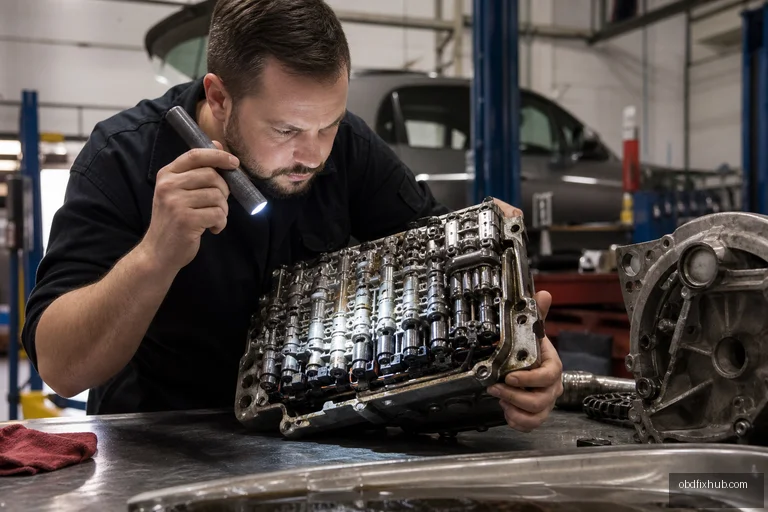
P0745 Transmission Pressure Control Solenoid: Meaning, Causes, Symptoms & Fix
P0745 means the transmission control module has detected a fault in the electrical circuit for the pressure control solenoid, usually identified as Solenoid “A.” The problem may be a failed solenoid, damaged wiring, poor electrical connections, contaminated transmission fluid, or—less commonly—a faulty transmission control module. Because this solenoid regulates hydraulic pressure, ignoring the code can lead to harsh shifting, slipping, overheating, and expensive internal transmission damage.
What Does the P0745 Code Mean?
The P0745 diagnostic trouble code is generally defined as Transmission Pressure Control Solenoid “A” Malfunction. The solenoid is an electronically controlled valve inside the valve body or transmission control assembly. It adjusts hydraulic pressure so the transmission can apply clutches and bands smoothly during gear changes.
When the vehicle’s powertrain control module commands a specific pressure but sees an abnormal electrical response—or detects that the pressure result does not match the command—it stores P0745. The exact solenoid name, wiring layout, and test values vary by manufacturer, so the vehicle’s factory service information is more reliable than a generic code chart.
Common Symptoms of P0745
Some vehicles enter limp mode immediately, while others continue driving with only a check engine light. The symptoms depend on whether the fault is electrical, hydraulic, or caused by broader transmission wear.
- Harsh, delayed, or unpredictable gear changes
- Transmission stuck in one gear or failsafe mode
- Transmission slipping under acceleration
- Engine revs rising without a matching increase in vehicle speed
- Delayed engagement when shifting from Park into Drive or Reverse
- Transmission overheating or a burning-fluid smell
- Reduced fuel economy and poor acceleration
- Additional solenoid, pressure, or gear-ratio fault codes
A useful real-world clue is the difference between an electrical and a hydraulic failure. A solenoid with an open circuit may cause an immediate failsafe condition, while a sticking valve caused by dirty fluid may produce intermittent harsh shifts that worsen as the transmission warms up.
What Causes a P0745 Transmission Pressure Control Solenoid Fault?
1. Failed pressure control solenoid
The solenoid coil can go open-circuit, short internally, or become mechanically stuck. Wear particles and varnish from old transmission fluid can prevent the valve from moving freely even when the coil’s resistance appears normal.
2. Damaged wiring or poor electrical connections
Transmission harnesses are exposed to heat, fluid, road debris, and vibration. A wire may rub against the case, a connector may fill with fluid, or a terminal may lose tension. These faults can be intermittent and may only appear when the engine or transmission moves under load.
3. Low, incorrect, or contaminated transmission fluid
Low fluid can introduce air into the hydraulic system and prevent stable pressure control. Incorrect fluid, heavily oxidized fluid, or fluid contaminated with clutch material can also cause valves to stick and pressure readings to deviate from the expected range.
4. Valve body or hydraulic pressure problems
A worn valve body can leak internally, preventing the solenoid from building or controlling pressure correctly. In this situation, replacing the solenoid alone may not solve the problem because the underlying issue is mechanical wear in the hydraulic control circuit.
5. Power, ground, or control module problems
A blown fuse, weak transmission ground, low system voltage, or a damaged transmission control module can imitate a bad solenoid. Module failure is possible, but it should be considered only after power, ground, wiring, and solenoid operation have been verified.
How to Diagnose P0745 Correctly
Replacing the solenoid immediately is a common mistake. A professional diagnosis should identify whether the fault is in the control circuit, the solenoid itself, or the transmission’s hydraulic system.
- Scan all control modules. Record freeze-frame data, transmission temperature, vehicle speed, commanded gear, and all related codes before clearing anything. Codes such as low-voltage, gear-ratio, or pressure-control faults may change the diagnostic direction.
- Check the fluid condition and level. Follow the manufacturer’s exact checking procedure because some transmissions require a specific temperature range and have no traditional dipstick. A dark color alone does not prove the transmission is ruined, but a burnt odor, metal debris, or excessive clutch material is significant.
- Inspect the external harness and connector. Look for chafing, stretched wires, corrosion, bent terminals, fluid intrusion, and aftermarket wiring repairs. Tug-testing the harness gently while monitoring scan-tool data can reveal an intermittent connection.
- Test power, ground, and circuit continuity. Compare voltage and resistance with factory specifications. Do not rely on a generic resistance value because pressure-control solenoids differ widely across transmissions. A circuit can pass a static ohmmeter test and still fail when hot or under load.
- Test the solenoid and hydraulic pressure. Depending on the design, the solenoid may be tested through the transmission connector, valve-body connector, or with the pan removed. A pressure gauge and bidirectional scan-tool command can help separate a control problem from a worn pump, valve body, or clutch pack.
- Inspect the pan when evidence supports it. A small amount of fine clutch dust may be normal on some high-mileage units, but large metal fragments, needle bearings, or heavy friction material indicate internal damage that a solenoid replacement will not repair.
How Do You Fix P0745?
The correct repair depends on the test results. Common solutions include repairing or replacing the transmission harness, cleaning or tightening connector terminals, replacing the pressure control solenoid, servicing the valve body, correcting the fluid level, or repairing an internal transmission fault.
- Electrical fault: Repair the affected wire or terminal and confirm voltage drop under load.
- Failed solenoid: Replace the specified solenoid, filter, pan gasket, and fluid as required by the manufacturer.
- Sticking valve body: Remove and inspect the valve body; some units require reaming, calibrated sleeves, or replacement rather than simple cleaning.
- Contaminated fluid: Use the correct service procedure. A simple drain-and-fill may be safer than a power flush when the transmission is badly worn.
- Internal damage: If the transmission is slipping and the pan contains significant debris, testing should continue before approving a rebuild or replacement unit.
After the repair, clear the code and perform the required relearn or adaptive-pressure reset if the manufacturer specifies one. The vehicle should then be road-tested at operating temperature while monitoring commanded pressure, gear changes, slip speed, and whether P0745 returns.
Can You Drive With P0745?
Short, gentle driving to a repair facility may be possible if the transmission shifts normally and the fluid is not leaking or overheating. Continued driving is risky when the vehicle is slipping, slamming into gear, stuck in one gear, or producing a burning smell. Every harsh shift creates additional heat and clutch wear, so postponing diagnosis can turn an electrical repair into a transmission rebuild.
If the transmission will not engage, the vehicle has lost reverse, the warning light is flashing, or fluid is leaking heavily, have it towed rather than attempting a long drive.
P0745 Repair Cost Considerations
Repair costs range from relatively modest wiring or fluid-service expenses to substantial valve-body or transmission-rebuild costs. The code itself does not identify the failed part, so an accurate diagnostic fee is often money well spent. Ask the repair shop whether the quote includes solenoid testing, connector inspection, fluid and filter replacement, adaptive relearn, and a post-repair road test.
One practical warning: a quote for “replace the pressure solenoid” without any circuit or pressure testing is incomplete. In many transmissions, the solenoid is inside the valve body, and access labor can be significant. Confirming the failure before removing the pan helps avoid replacing a good component.
Summary: The Right Next Step for P0745
P0745 points to a problem with the transmission pressure control solenoid “A” circuit or its ability to control hydraulic pressure. Start with a full scan, fluid inspection, harness examination, and manufacturer-specific electrical tests. Do not assume the solenoid is the only cause, especially when the transmission is slipping or the pan contains metal debris.
If P0745 is present, arrange a proper transmission diagnosis soon and limit driving until you know whether the fault is electrical or mechanical.
Frequently Asked Questions About P0745
Is P0745 always caused by a bad pressure control solenoid?
No. Damaged wiring, poor connector terminals, low fluid, a worn valve body, power-supply problems, and internal transmission damage can all trigger P0745. Electrical and hydraulic tests should be completed before replacing the solenoid.
Will changing the transmission fluid clear P0745?
Fluid service may help if contaminated or incorrect fluid is causing a valve to stick, but it will not repair an open circuit, shorted solenoid, damaged harness, or worn valve body. The code should be diagnosed rather than treated with fluid alone.
Can a low battery cause P0745?
Low system voltage or a poor ground can create transmission control errors, particularly during starting. Check battery voltage, charging output, fuses, and transmission grounds, but do not assume the battery is the root cause without testing.
How serious is the P0745 code?
It can be serious because pressure control affects clutch engagement and transmission temperature. If the vehicle slips, shifts violently, or enters limp mode, stop driving except to move it safely and arrange professional diagnosis.




