P0550 Power Steering Pressure Sensor/Switch Circuit: Meaning, Causes, Symptoms & Fix
The P0550 Power Steering Pressure Sensor/Switch Circuit code means the engine computer has detected an electrical problem in the power steering pressure sensor or pressure switch circuit. The most common causes are a failed pressure switch, damaged wiring, a loose connector, a blown fuse, or a steering system that is creating abnormal hydraulic pressure. It is usually repairable, but the correct fix depends on whether your vehicle uses a simple pressure switch or a variable pressure sensor.
This is an informational diagnostic code, not a parts-replacement instruction. A professional diagnosis should confirm the circuit fault before anyone replaces the sensor, especially on vehicles where the switch is difficult to access or integrated into a power steering pressure hose.
What Does the P0550 Code Mean?
P0550 is a generic OBD-II trouble code related to the power steering pressure sensor or switch circuit. On many hydraulic power steering systems, the switch reports when steering effort causes pump pressure to rise. The engine control module uses that signal to slightly adjust idle speed and engine load compensation, preventing the engine from stumbling when the steering wheel is turned at low speed.
Some vehicles use a pressure switch with a simple on/off signal, while others use a pressure sensor that produces a changing voltage. The exact expected voltage, connector pinout, and switching pressure vary by manufacturer. A P0550 on a Nissan, Toyota, Ford, Hyundai, or another vehicle should therefore be diagnosed using that vehicle’s wiring diagram and service data rather than a universal voltage assumption.
P0550 Symptoms You May Notice
The check engine light is the most consistent symptom, but the driving behavior can vary. A vehicle may drive almost normally while storing the code, or it may show an obvious idle and steering-related problem.
- Illuminated check engine light or malfunction indicator lamp
- Engine idle dropping when the steering wheel is turned
- Engine stalling during parking or low-speed maneuvering
- Heavy or inconsistent steering assist
- Whining from the power steering pump
- Fluid leaks near the pressure switch, hose, or pump
- Hard starting or rough idle immediately after steering input
- Intermittent symptoms that disappear after the vehicle warms up
A bad switch does not always make the steering wheel suddenly difficult to turn. In many cases, the switch is primarily used for engine idle compensation, so the first complaint is stalling while parallel parking rather than loss of power assist.
What Happens When a Power Steering Pressure Switch Goes Bad?
When the switch fails electrically, the computer may not receive the pressure signal it expects. The engine can then fail to raise idle speed when the hydraulic pump loads the engine. That can cause a dip in rpm, vibration, or stalling when the wheel is turned near full lock.
A failed switch can also leak power steering fluid if its sealing surface or threaded body is damaged. Fluid contamination inside the connector is an important clue: replacing the switch without cleaning or repairing the connector may allow the P0550 code to return.
Do not hold the steering wheel against full lock for more than a few seconds while testing. This produces maximum hydraulic pressure, overheats the fluid, and can make a healthy pump appear faulty.
Common Causes of P0550
- Defective pressure switch or sensor: Internal contacts may remain open, closed, or produce an implausible signal.
- Broken or shorted wiring: The harness can rub against the steering rack, drive belt, engine mount, or power steering hose.
- Corroded connector terminals: Fluid, water, road salt, and poor terminal tension can interrupt the reference or signal circuit.
- Blown fuse or poor power supply: A fuse failure may point to a short elsewhere rather than a bad sensor.
- Low or contaminated power steering fluid: Air in the system can create noise and abnormal pressure readings.
- Failing power steering pump: A worn pump may produce insufficient or unstable pressure.
- Restricted hose or steering rack problem: Hydraulic restrictions can change system pressure and trigger related faults.
- Previous repair damage: A pressure switch connector is often disturbed during hose, pump, or engine work.
How to Diagnose the P0550 Power Steering Pressure Sensor/Switch Circuit
A reliable diagnosis starts with inspection, not a replacement sensor. In a repair bay, I would first confirm the code, record freeze-frame data, and check whether other power steering, idle-control, or communication codes are present. Codes that return immediately after clearing usually indicate an electrical fault, while codes that return only during steering input may require a hydraulic and live-data test.
1. Check fluid level and visible leaks
Inspect the reservoir, pressure hose, pump, rack, and switch area. The fluid must match the manufacturer specification; mixing incompatible fluids can damage seals and create foaming. A low reservoir level does not prove the switch is bad, because a leak must still be located and repaired.
2. Inspect the connector and harness
Look for green corrosion, bent pins, loose terminal tension, fluid inside the plug, and insulation rubbed through against metal. Gently move the harness while viewing the scan data or measuring the circuit. If the signal changes when the harness moves, the wiring fault may be more important than the sensor itself.
3. Test power, ground, and signal
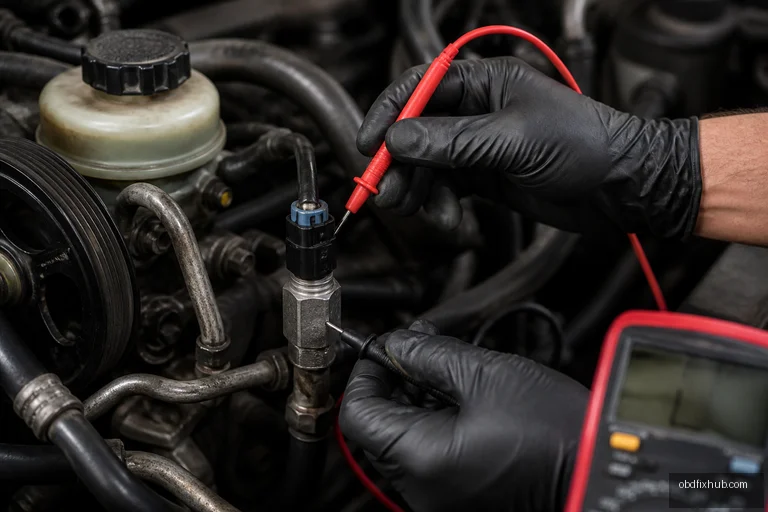
Use the wiring diagram to identify the reference voltage, ground, and signal wires. A digital multimeter can confirm an open circuit, short to ground, or missing reference voltage, but resistance testing alone may miss an intermittent fault. On sensor-equipped vehicles, compare the signal at rest and while turning the wheel slightly; on switch-equipped vehicles, verify that the switch changes state under the specified condition.
4. Check hydraulic pressure only when necessary
If the electrical circuit passes inspection but the code returns during steering load, a power steering pressure gauge may be needed. Compare pump pressure with the manufacturer’s specification and inspect for restrictions. Excessive pressure can indicate a blocked line or steering rack issue, while low pressure may indicate a worn pump, slipping belt, or air entering the system.
How Do You Fix a P0550 Code?
The repair should match the failed part identified during testing. Common repairs include replacing the pressure switch or sensor, repairing a damaged wire, cleaning and tightening connector terminals, replacing a blown fuse after locating the short, repairing a leaking hose, or correcting low fluid and bleeding air from the system.
- Confirm the P0550 code and document related codes and freeze-frame data.
- Repair the underlying leak, wiring fault, connector problem, or hydraulic issue.
- Install the correct pressure switch or sensor using the required seal or sealing washer.
- Refill with the specified fluid and bleed the system according to the service procedure.
- Clear the code, start the engine, and verify the signal while turning the wheel carefully.
- Perform a road test and rescan the vehicle to confirm the code does not return.
Use the exact replacement part for the vehicle’s engine and steering system. A switch that fits the threads but has the wrong electrical behavior can create a new fault or prevent idle compensation from working correctly.
How Much Does It Cost to Replace a Power Steering Pressure Switch?
In the United States, a typical pressure switch replacement costs approximately $150 to $450, including parts and labor. The switch itself may cost $30 to $150, but labor can rise if the component is installed in a crowded area or is part of a pressure hose assembly.
- Diagnostic testing: about $75–$150
- Pressure switch replacement: about $150–$450
- Wiring or connector repair: about $100–$400, depending on access
- Pressure hose assembly: about $250–$700
- Power steering pump replacement: commonly $500–$1,200
Dealer pricing, vehicle design, regional labor rates, and the use of original-equipment parts can change these figures substantially. Ask whether the estimate includes fluid, bleeding, leak inspection, and post-repair code verification.
How to Reset Electric Power Steering
P0550 is most commonly associated with a hydraulic power steering pressure circuit, so it is not automatically an electric power steering reset problem. Electric power steering systems usually have a separate EPS control module and different fault codes. Disconnecting the battery may erase temporary settings, but it will not repair a failed sensor, wiring fault, or EPS calibration issue.
After repairing the cause, clear the code with a suitable scan tool. If the vehicle has electric power steering, it may require a steering-angle sensor calibration, torque-sensor zero-point procedure, or EPS initialization using a manufacturer-capable scan tool. The exact sequence can involve centering the wheels, switching the ignition on and off, or driving at a specified speed, so follow the service manual rather than applying a generic reset.
Can You Drive With P0550?
Short trips may be possible if steering assist feels normal, the fluid level is correct, and the engine is not stalling. However, heavy steering, a rapidly dropping fluid level, loud pump noise, or stalling in traffic makes the vehicle unsafe to drive. Arrange a prompt inspection because a small pressure-switch leak can eventually become a larger hydraulic failure.
Practical Tips That Prevent Misdiagnosis
- Do not replace the switch before checking the connector for fluid contamination.
- Do not use generic power steering fluid when the vehicle specifies a particular hydraulic fluid.
- Do not judge pump condition by noise alone; air in the system can imitate pump failure.
- Check whether the code returns immediately or only under steering load.
- Record the steering symptom and engine rpm behavior before clearing the code.
- After repair, verify both the check engine light and the original drivability complaint.
Frequently Asked Questions
Is P0550 a serious code?
It can be minor when only idle compensation is affected, but it becomes serious if the vehicle loses steering assist, leaks fluid, or stalls during maneuvering. Inspect it promptly rather than ignoring the warning light.
Can low power steering fluid cause P0550?
Low fluid can contribute to abnormal hydraulic pressure, pump noise, and steering problems, but it does not always directly cause the electrical code. Find and repair the leak, then test the sensor circuit.
Will replacing the power steering pressure switch clear P0550?
Only if the switch is the actual cause. A damaged harness, corroded connector, blown fuse, or hydraulic restriction can produce the same code and will require a different repair.
Can I clear P0550 by disconnecting the battery?
Battery disconnection may temporarily erase the stored code on some vehicles, but it does not fix the fault and may reset radio, idle, or window settings. Use a scan tool after completing the repair.
Does P0550 mean my electric power steering motor is bad?
Not necessarily. P0550 normally refers to a pressure sensor or switch circuit in a hydraulic steering system. Confirm the vehicle’s steering design and scan for EPS-specific codes before condemning the electric motor.
Bottom Line
P0550 points to a power steering pressure sensor or switch circuit problem, but the failed component may be the sensor, wiring, connector, fuse, pump, hose, or steering rack. Start with a circuit inspection and fluid-leak check, then verify the signal and hydraulic pressure before buying parts. Once the cause is repaired, clear the code, confirm normal idle and steering behavior, and rescan the vehicle.




